From One International Student to Another: 10 Things to Know Before Coming to Monroe
By Rena Pierre Thomas
Business Management major
Moving from the Caribbean to New York for university is exciting. You arrive with dreams of earning your degree, meeting new people, experiencing a different culture and becoming more independent.
Before coming to Monroe, I thought I was prepared. I had my documents, clothes, school supplies and everything I thought I would need. But there are some things you simply cannot learn from an acceptance letter or orientation. Some lessons only come from experience.
As an international student, here are 10 things I wish I knew before coming to Monroe.
1. The Weather: Prepare for War
Let's start with the weather because, honestly, I thought I was prepared. I wasn't.
Coming from the Caribbean, I packed what I thought were warm clothes. I had sweaters, long-sleeved shirts and a few jackets, thinking they would be enough to get me through the semester.
Then winter came, my first experience with a New York winter taught me very quickly that the little sweaters and clothes I brought were nowhere near enough. I was cold, and despite believing I was prepared, I was completely unprepared for the reality of the winter season.
For almost two weeks, things became so difficult that I had to seek assistance from the school to help me get through the winter.
That experience taught me a very important lesson: never underestimate New York's winter.
If you are coming from a tropical island, bring thick clothing. Invest in thermal or base layers, warm socks, gloves, a hat, scarf and, most importantly, a proper winter coat.
Don't wait until you're already freezing to prepare. If you think you've packed enough winter clothes, pack some more.
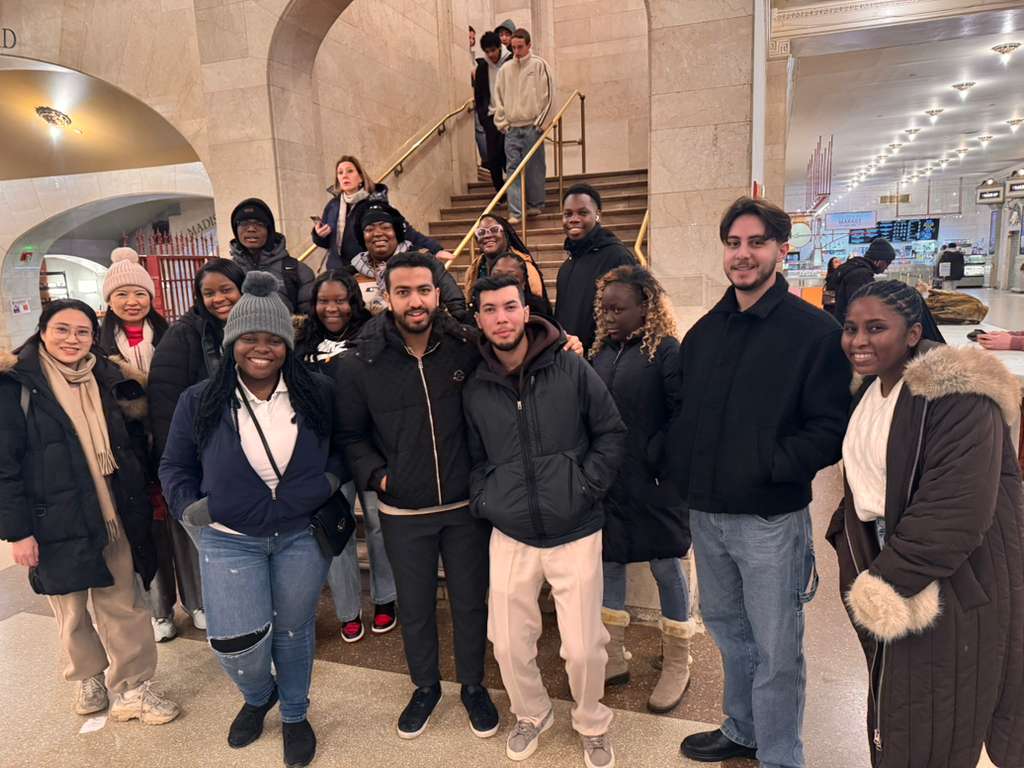
2. Your Budget Will Become Your Best Friend
Moving from the Caribbean to New York City means adjusting to a very different cost of living. And if you're attending the New Rochelle campus, you quickly realize that the area can be expensive.
This was another lesson I learned from experience. Within my first two months in New York, my finances had significantly depleted. Things were more expensive than I expected, and it became difficult for me to manage financially. I had depended heavily on my family back home, and I realized that I needed to become much more careful with my money.
There are expenses you might not think about when preparing to come to university. You have to buy water, food, toiletries, school supplies and transportation. Then there is laundry.
Yes, laundry costs money too. Make sure you understand how the laundry system works when you arrive. You may need to download an app to operate the machines and pay for your laundry.
It is also important to establish a bank account, where appropriate, to make everyday transactions easier. In New York, many transactions are done using cards, mobile payments and online systems rather than cash.
As an international student, you should also understand your employment restrictions. You generally cannot simply take an off-campus job because you need extra money. Employment must be properly authorized under your student status and applicable immigration rules. Speak with your international student advisor before accepting employment.
My biggest advice? Budget from Day One, not when the money starts running out. Before making a purchase, ask yourself, "Do I need this or do I just want this?"
3. Missing Home Is Real and It Can Hit Hard
Missing home was one of my biggest challenges.
I was excited to begin this new chapter, but I quickly learned that leaving your family, friends and familiar surroundings can be much harder than you imagine. I am an adult, but I cried for about two weeks because I missed my family and friends.
Imagine entering a completely new environment where you haven't made any friends yet. You're learning your way around campus, adjusting to a different culture and trying to find your place, all while dealing with the winter weather.
It can be lonely, there were moments when I simply wanted to speak with someone familiar, hear a familiar voice, or feel like I was back home.
That is why staying connected with your family and friends is so important. Call them. Video chat. Send voice notes. Share pictures of what you're experiencing.
But what if I also told you that you don't have to leave everything about home behind when you come to Monroe?
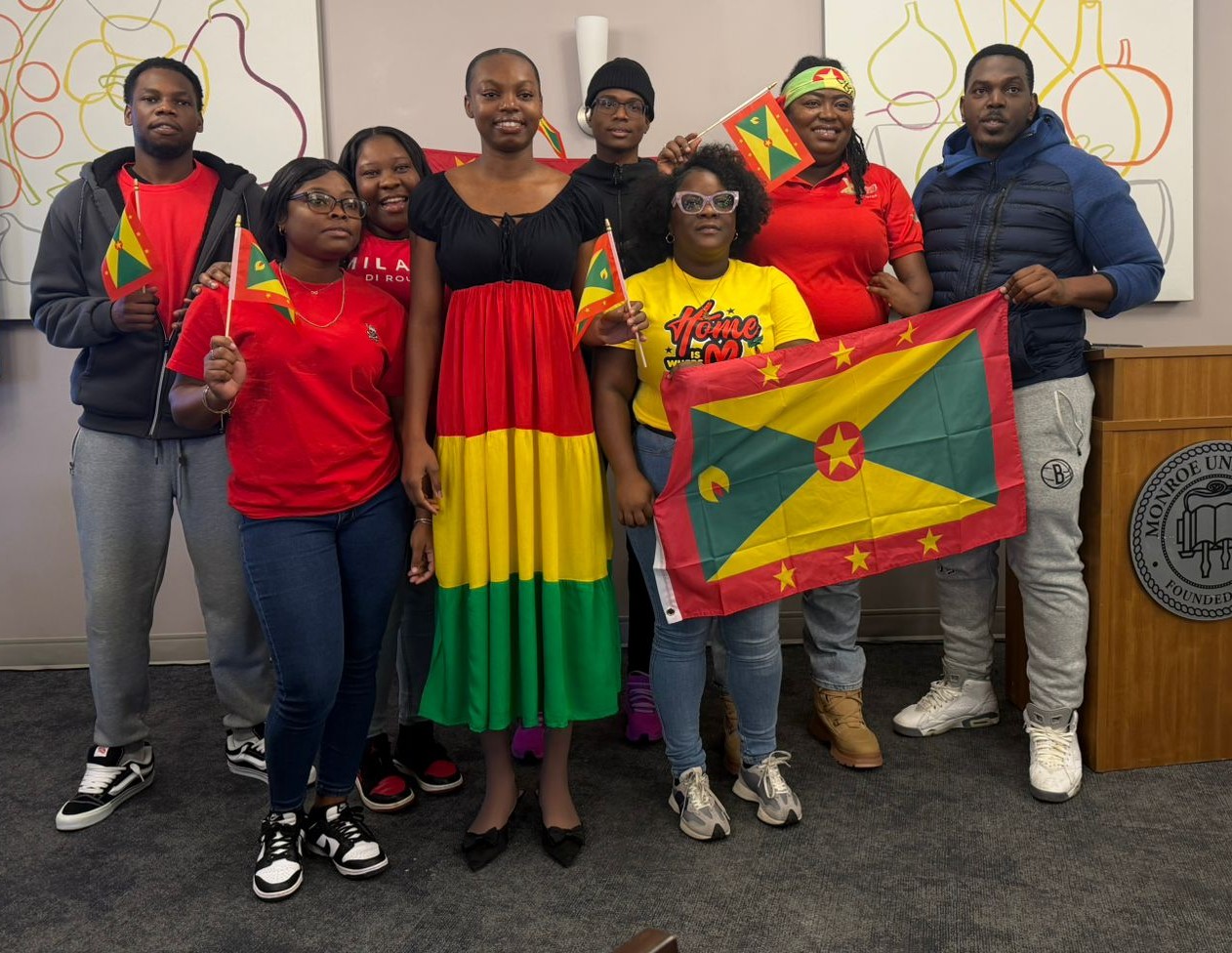
The International Student Services team and Student Activities Office plan celebrations and events throughout the year that bring international students together through familiar food, music, traditions and cultures.
Sometimes, one familiar song, a favorite dish or a celebration from home is enough to make you smile when you're missing home.
So when you see an international student event, go! Bring a friend, share your culture and meet someone new. You might just find that little piece of home you didn't know you needed.
4. Food From Home Helps, But It Won't Taste Exactly Like Home
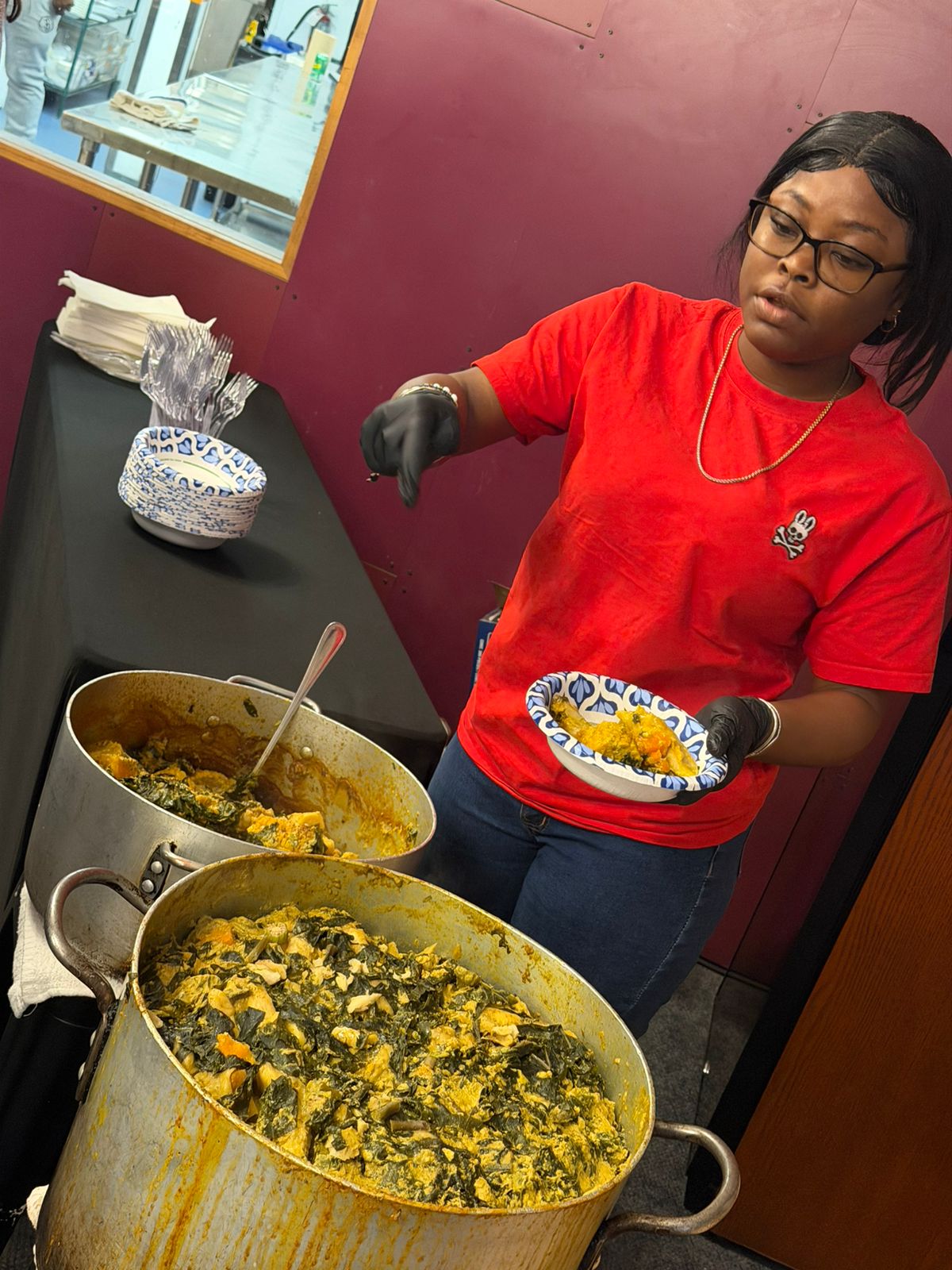
Let's talk about food. One of the comforting things about being at Monroe is that you may encounter familiar Caribbean influences in the cafeteria, including Caribbean cooks and foods that remind you of home.
Sometimes, seeing a familiar meal can make you feel a little closer to home, but there is one thing you need to understand, it may not taste exactly like home.
The ingredients, preparation, seasoning and cooking methods can be different. Even when you recognize the meal, you might take that first bite and think, "Something is missing" and that's okay.
Use the opportunity to cook some of your favourite meals yourself if you can do in your dorm. Find grocery stores that carry familiar Caribbean ingredients and introduce your friends to the foods you grew up eating. You may even find that your new friends become obsessed with Caribbean food.
5. Learn Public Transportation and Download the Apps
If you're coming from the Caribbean, navigating New York's transportation system can take some getting used to. You have buses, trains, and other forms of public transportation. At first, it can feel overwhelming.
One of the first things you should do is download the apps such as Transit, MTA, Uber, Metro-North and relevant local bus-system apps can help you check schedules, plan routes and monitor transportation updates.
But don't just download them, learn how to use them, know where you're going, which bus or train you need, where you must get off and what time you need to leave.
If you're traveling beyond the New Rochelle area into New York City, Brooklyn or other parts of the city, take time to understand the wider public transportation system. Depending on your route, you may need a transit card or another approved payment method to use buses and trains.
Before making an important trip, practice your route or go with friends who are already familiar with the system.
6. You Have to Learn to Speak Up for Yourself
Back home, you may have parents, relatives, and friends who know you personally and can step in when you need help. At university, things are different, you have to advocate for yourself. If you don't understand an assignment, or are confused about your schedule, having a problem with registration, or struggling academically or personally ...ask a question.
Your professors, advisors, counsellors, and university offices are there to support you, but they cannot always know that you're struggling unless you communicate. Learning to speak up for yourself is an important part of becoming independent.
7. In New York, Time Means Time
Back home, we sometimes have what could be called "Caribbean time." If someone says three o'clock, you might hear, “Three o'clock... well, maybe three-thirty. “
But in New York, three o'clock means three o'clock.
Whether it's a class, meeting, doctor's appointment, transportation or university event, being on time matters. And when you're relying on public transportation, you have to plan even further ahead. A bus could be delayed. You could miss a train. You could take the wrong route. So don't leave at the time you're supposed to arrive.
Leave early. Time management is also important when balancing classes, assignments, friends, and your personal life. Create a schedule, use your calendar, set reminders and know where you need to be.
8. Learn How to Balance Everything
University isn't just about going to class. You have assignments, studying, friendships, activities, personal responsibilities and possibly employment or campus activities that are permitted under your student status.
Sometimes you may want to attend every event, spend time with friends, and still get all your assignments completed. The reality is that you have to find a balance and learn when to say, “I can't tonight. I have an assignment due tomorrow."
Your friends will still be there, your academic responsibilities, however, are yours. Learning how to balance your academic and social life will help you not only at university but also in your professional life.
9. Don't Be Afraid to Ask for Help
This is probably one of my biggest lessons. During one of my most difficult periods, I was struggling financially and finding it difficult to maintain myself. I eventually realized that I simply couldn't do everything alone. And honestly, as Caribbean people, sometimes our pride gets in the way. We don't want people to know we're struggling; we don't want to ask for help. We tell ourselves "I can handle it” but sometimes, you can't and that's okay.
I eventually reached out to my counsellor and advisor. They listened to me and helped connect me with assistance. That experience taught me that asking for help is not a sign of weakness, it is a sign that you recognize when you need support. If you're struggling academically, financially, emotionally or personally, find the appropriate person or office and talk to them.
Pride won't solve the problem. Asking for help might.
10. Don't Forget Why You Came and Enjoy the Experience
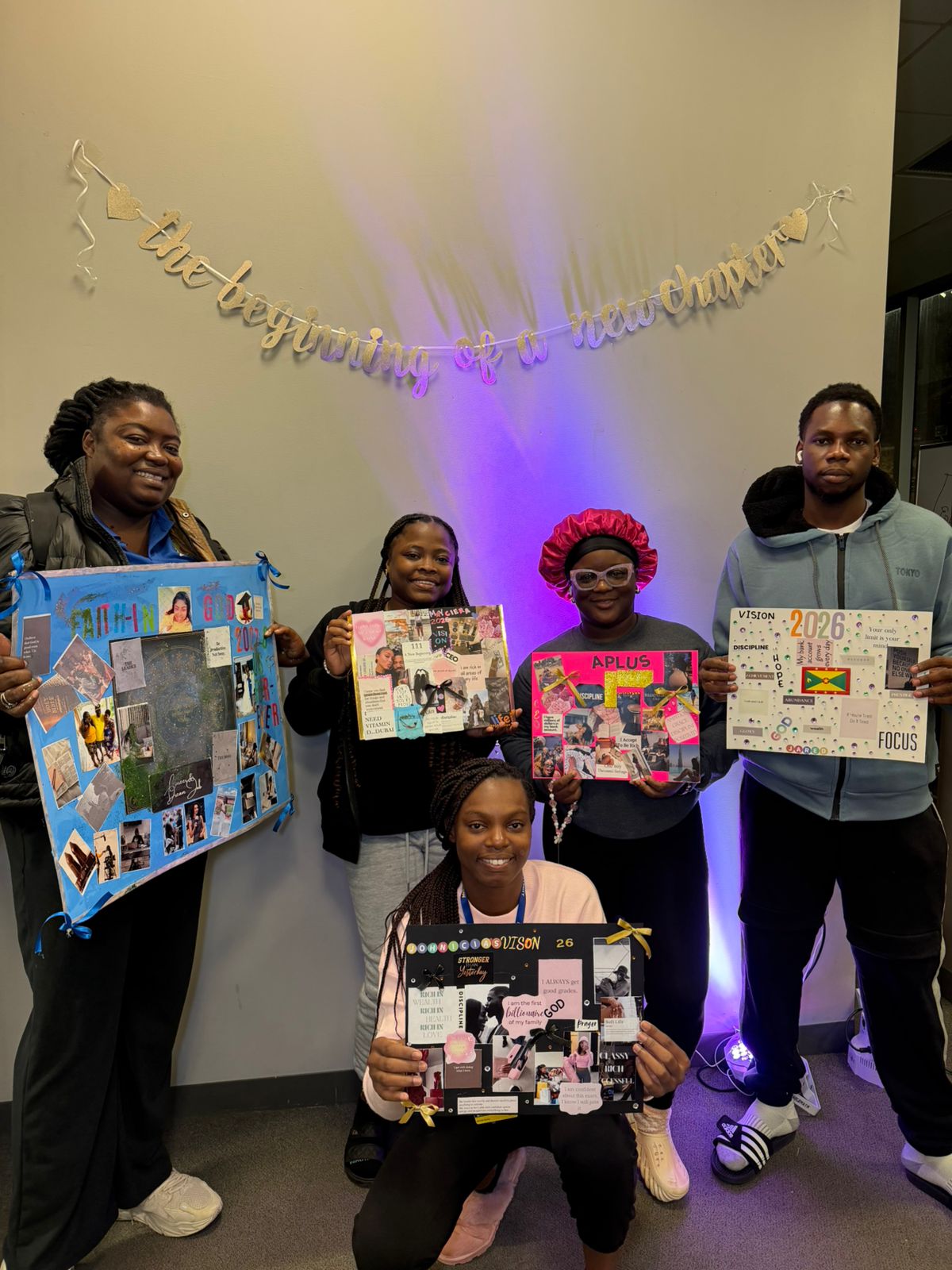
With all the adjustments that come with moving to a new country, it can be easy to become so focused on surviving university that you forget to actually enjoy it, you're not only here to earn a degree, but you’re also here to grow.
You're going to meet people from countries you've never visited. You're going to experience cultures different from your own. You're going to make mistakes, learn new things and discover parts of yourself you didn't know existed.
Go to the events, make friends, explore New York, try new food, share your culture, take pictures, call home, laugh, cry when you need to, ask for help and give yourself time to adjust.
One day, you may look back and realize that the things that seemed so difficult when you first arrived were the experiences that helped you become stronger and more independent.
A Message to Every International Student
Coming to Monroe from the Caribbean is more than simply traveling to another country to attend university. It is a major life transition.
You are leaving behind family, friends, familiar food, familiar weather and a familiar way of life and stepping into something completely new.
It won't always be easy and there will be days when you miss home. There will be days when the weather makes you question your decision. There will be moments when your finances are tight, your assignments pile up and you wonder how you're going to manage everything.
But you will learn. You will adapt and you will find people who support you.
And eventually, the things that once felt unfamiliar will begin to feel normal.
So, to every international student coming to Monroe: Prepare for the cold. Manage your money. Stay connected to home. Learn the transportation system. Be on time. Speak up. Ask for help. Find your balance. And most importantly, give yourself grace.
You don't have to figure everything out on your first day.
You're learning. You're growing. And you're building a new home while carrying a piece of the old one with you.